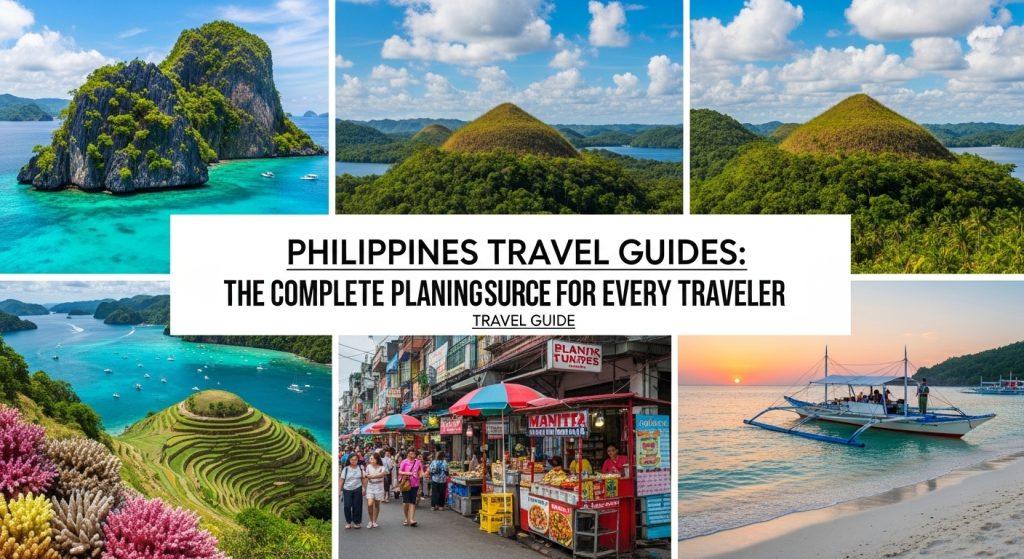
Philippines Travel Guides: The Complete Planning Resource for Every Traveler
Planning a trip to the Philippines can feel overwhelming. With over 7,000 islands, hundreds of beaches, countless waterfalls, vibrant cities, and diverse cultures, knowing where to begin is often the biggest challenge.
This complete travel guide will help you plan your Philippines trip step by step — covering itineraries, budgeting, visa information, transportation, safety, weather, and essential travel tips.
Whether you’re a first-time visitor, backpacker, luxury traveler, or digital nomad, this guide provides everything you need to prepare confidently.
Why Visit the Philippines?
The Philippines is one of Southeast Asia’s most unique travel destinations.
What makes it different:
- English is widely spoken
- Friendly and welcoming locals
- Less commercialized than Thailand
- Stunning island diversity
- Incredible marine biodiversity
- Affordable travel costs
It offers both relaxation and adventure in equal measure.
Best Time to Visit the Philippines
Understanding the climate is essential for planning.
Dry Season (Best Travel Time)
December – May
- Sunny weather
- Calm seas
- Ideal for island hopping and diving
- Peak tourist season (higher prices)
Rainy Season
June – October
- Occasional heavy rain
- Possible typhoons
- Lower accommodation prices
- Fewer crowds
For most travelers, March to May offers the best balance of good weather and reasonable prices.
Entry Requirements & Visa Information
Many nationalities can enter the Philippines visa-free for 30 days.
Common requirements:
- Passport valid for at least 6 months
- Return or onward ticket
- Proof of accommodation (sometimes requested)
Visa extensions are possible if staying longer.
Always check updated government travel advisories before departure.
How Long Should You Stay?
The Philippines requires more travel time compared to many countries because islands are spread apart.
Recommended stay durations:
- 5–7 days → One island only
- 10 days → Two main destinations
- 14–21 days → Multi-island experience
Avoid trying to visit too many places in a short trip.
Sample Philippines Itineraries
7-Day Itinerary (First Timers)
Day 1 – Arrival in Cebu
Day 2 – Moalboal sardine run
Day 3 – Kawasan Falls
Day 4 – Travel to Bohol
Day 5 – Chocolate Hills & Panglao Beach
Day 6 – Island hopping
Day 7 – Departure
10-Day Island Combination
Option 1:
Manila → El Nido → Coron → Manila
Option 2:
Cebu → Siquijor → Bohol → Cebu
2-Week Adventure Route
Cebu → Bohol → Siquijor → Siargao
OR
Manila → Banaue → Palawan → Coron
Budget Guide: How Much Does It Cost?
The Philippines is generally affordable compared to Western countries.
Budget Traveler (Backpacker)
$35–$60 per day
Includes:
- Hostel accommodation
- Local food
- Shared tours
- Public transportation
Mid-Range Traveler
$80–$150 per day
Includes:
- Boutique hotels
- Private tours
- Domestic flights
- Restaurant dining
Luxury Traveler
$200+ per day
Includes:
- Beach resorts
- Private transfers
- Exclusive diving tours
- Fine dining
Flights are usually the biggest expense.
Getting Around the Philippines
Because the Philippines is an archipelago, travel often includes multiple transportation types.
Domestic Flights
Fastest way between major islands.
Airlines:
- Cebu Pacific
- Philippine Airlines
- AirAsia
Book early during peak season.
Ferries
Useful for short island connections:
- Cebu ↔ Bohol
- Iloilo ↔ Bacolod
- Manila ↔ Coron
Vans & Buses
Common for regional travel within islands.
Travel times can be long due to road conditions.
Top Destinations to Include in Your Travel Guide Planning
Palawan
Best for lagoons and island hopping.
Cebu
Great mix of city and nature.
Boracay
World-famous white sand beach.
Bohol
Nature and family-friendly travel.
Siargao
Surf culture and laid-back vibe.
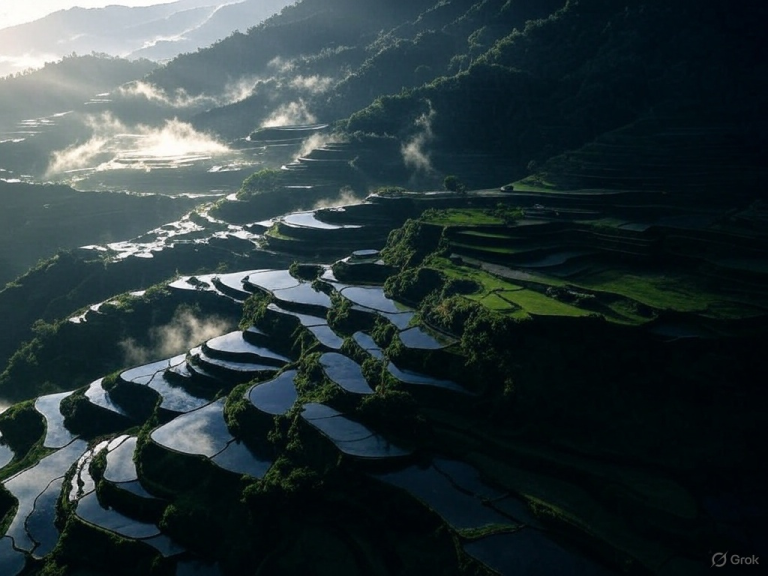
Banaue
Mountain landscapes and rice terraces.
Safety in the Philippines
The Philippines is generally safe for tourists.
Common-sense precautions:
- Avoid displaying valuables
- Use licensed tour operators
- Check local advisories
- Stay updated on weather warnings
Most tourist areas are well-developed and welcoming.
Internet & Connectivity
- SIM cards available at airports
- Major providers: Globe, Smart
- WiFi widely available in cities
- Remote islands may have weak signal
Digital nomads prefer:
- Cebu
- Siargao
- BGC (Manila)
Cultural Etiquette & Travel Tips
- Filipinos are friendly and polite
- English is widely understood
- Tipping is appreciated but not mandatory
- Dress modestly when visiting churches
- Respect marine life during snorkeling
Packing Essentials
- Lightweight clothing
- Reef-safe sunscreen
- Waterproof bag
- Power bank
- Cash (small bills for remote areas)
Common Travel Mistakes to Avoid
- Overpacking itinerary
- Underestimating travel time
- Booking tight connections
- Visiting too many islands in one week
- Ignoring weather patterns
Slow travel works best in the Philippines.
Why a Proper Travel Guide Matters
Because of geography and logistics, planning makes a significant difference.
The Philippines rewards travelers who:
- Research routes carefully
- Allow buffer time
- Choose destinations strategically
- Travel at a relaxed pace
Internal Linking Strategy (SEO Critical)
From this Travel Guides Hub page, you should link to:
- Philippines Travel Itinerary 7 Days
- Cebu Travel Guide
- Palawan Travel Guide
- Best Time to Visit the Philippines
- Philippines Budget Travel Guide
- Visa Guide for the Philippines
Each of those pages should link back here.
Target keyword cluster:
- Philippines travel guide
- Travel guide Philippines
- How to plan a trip to the Philippines