Travel Tips & Essentials for the Philippines: Everything You Need to Know Before You Go
Traveling to the Philippines is an unforgettable experience — but proper preparation makes a huge difference. As a country made up of over 7,000 islands, logistics, weather, connectivity, and local customs can vary significantly from one destination to another.
This complete travel tips and essentials guide covers everything you need to know before visiting the Philippines, including visas, safety, money, internet access, packing advice, health considerations, and smart travel strategies.
Whether you are a first-time traveler, backpacker, couple, or digital nomad, this guide will help you travel confidently and efficiently.
Entry Requirements & Visa Essentials
Most travelers can enter the Philippines visa-free for up to 30 days.
Basic Requirements
- Passport valid for at least 6 months
- Return or onward ticket
- Completed arrival form (online system in most cases)
If you plan to stay longer than 30 days, you can apply for a visa extension at local immigration offices.
Always verify requirements based on your nationality before departure.
Best Time to Visit
Weather plays a major role in planning your trip.
Dry Season (December – May)
- Sunny weather
- Ideal for island hopping
- Calm sea conditions
- Peak tourist season
Rainy Season (June – October)
- Occasional heavy rain
- Possible typhoons
- Lower hotel prices
- Fewer tourists
For beach-focused travel, March to May is typically best.
Money & Budgeting Tips
The local currency is the Philippine Peso (PHP).
Payment Methods
- Cash is widely used
- Credit cards accepted in major cities
- Remote islands require cash
ATMs are available in cities and tourist towns, but may be limited in smaller areas.
Tip: Always carry small bills for tricycles, island tours, and local eateries.
Transportation Tips
Travel in the Philippines often requires patience and planning.
Domestic Flights
Flying is the fastest way to move between islands.
- Book early during peak season
- Add buffer time between connections
- Weather can cause delays
Ferries
Used for shorter routes.
Check schedules in advance and confirm locally.
Local Transport
- Jeepneys (cheap but confusing for tourists)
- Tricycles (agree on price first)
- Grab (available in Manila and Cebu)
- Motorbike rentals (common in island towns)
Avoid tight travel schedules when moving between islands.
Internet & SIM Cards
Internet access varies by region.
SIM Cards
Major providers:
- Globe
- Smart
You can purchase SIM cards at airports or convenience stores.
Data packages are affordable, but speeds may slow in remote islands.
Digital nomads prefer:
- Cebu
- Siargao
- Makati (Manila)
Safety Tips
The Philippines is generally safe for tourists, especially in established tourist areas.
Basic Safety Advice
- Avoid displaying expensive items
- Use licensed tour operators
- Check weather alerts during typhoon season
- Keep digital copies of important documents
Petty theft can occur in crowded areas, so stay aware.
Health & Travel Insurance
Travel insurance is strongly recommended.
Consider coverage for:
- Medical emergencies
- Flight delays
- Lost baggage
- Diving or adventure activities
Drinking water is not safe from the tap. Always use bottled or filtered water.
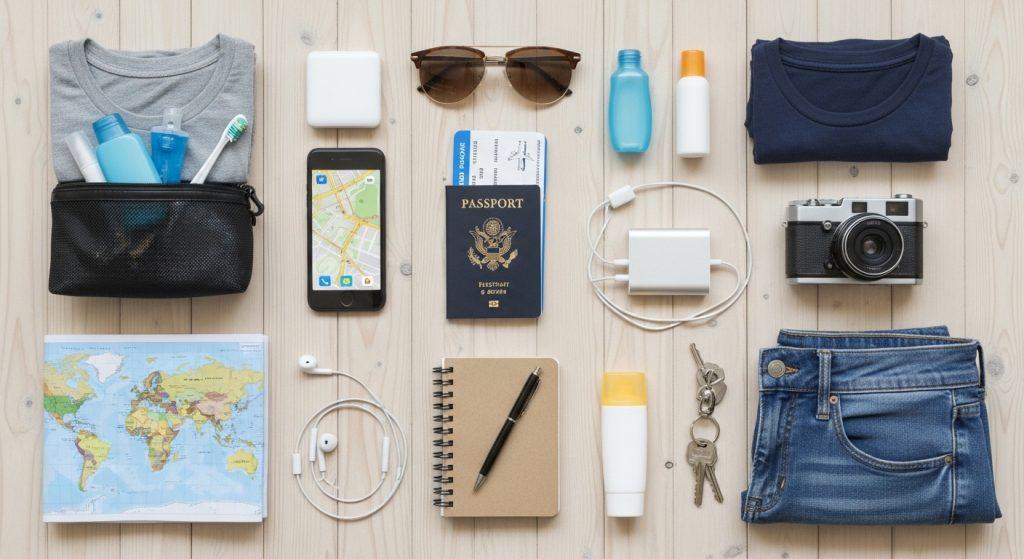
Packing Essentials for the Philippines
Due to tropical climate and beach activities, pack smart.
Clothing
- Lightweight breathable fabrics
- Swimwear
- Flip-flops or sandals
- Quick-dry towels
Gear
- Waterproof dry bag
- Reef-safe sunscreen
- Power bank
- Universal adapter
- Snorkel mask (optional but useful)
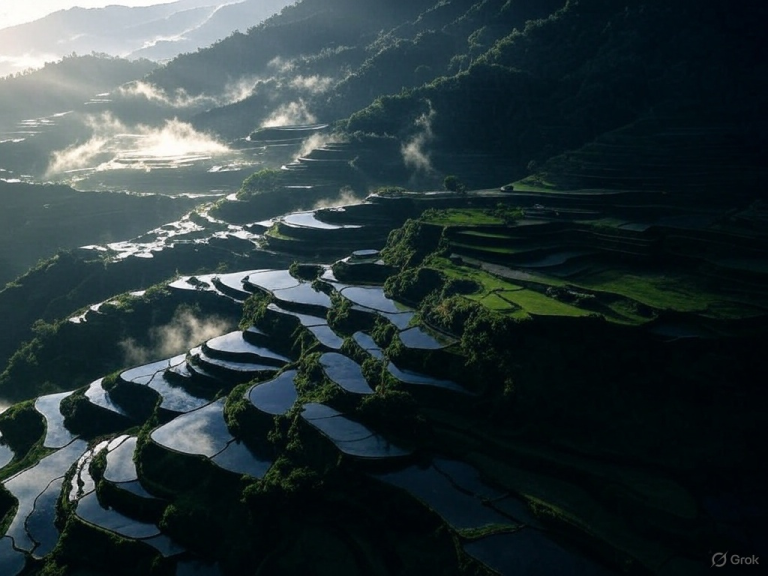
If visiting mountains (Banaue or Sagada), bring light layers.
Cultural Etiquette & Local Customs
Filipinos are known for their hospitality.
Key cultural tips:
- Smile and be polite
- Remove shoes when entering homes
- Dress modestly in churches
- Tipping is appreciated but not mandatory
English is widely spoken, making communication easy.
Avoiding Common Travel Mistakes
Many travelers make similar planning errors.
1. Visiting Too Many Islands
Island transfers take time. Focus on 1–3 destinations per trip.
2. Ignoring Weather Conditions
Typhoon season can disrupt flights and ferries.
3. Overpacking Your Schedule
Allow rest days and buffer time.
4. Underestimating Transport Time
Some routes require flight + van + boat combinations.
Environmental Responsibility
The Philippines is rich in marine biodiversity.
Be a responsible traveler:
- Do not touch coral reefs
- Avoid feeding marine life
- Use reef-safe sunscreen
- Do not litter
- Support local eco-friendly tours
Sustainable tourism helps preserve these islands.
Essential Apps for Travel in the Philippines
- Grab (transportation)
- Google Maps (offline maps)
- Klook (activity bookings)
- GCash (local digital wallet)
- Weather apps for typhoon tracking
Downloading offline maps is highly recommended for remote islands.
Travel Tips for Different Traveler Types
For First-Time Visitors
Choose accessible destinations:
- Cebu
- Boracay
- Bohol
- El Nido
Avoid complex multi-island routes.
For Backpackers
- Use hostels
- Take overnight ferries
- Eat at local eateries (carinderias)
For Couples & Honeymooners
- Consider private island resorts
- Book beachfront hotels
- Schedule sunset sailing tours
For Digital Nomads
- Choose reliable internet locations
- Stay longer in one place
- Use coworking spaces in Cebu or Siargao
Emergency Contacts
Emergency hotline in the Philippines:
911
Keep your embassy contact details accessible.
Final Thoughts: Travel Smart, Travel Slow
The Philippines rewards travelers who move at a relaxed pace.
Instead of rushing across islands, choose destinations wisely, plan ahead, and allow flexibility. With the right preparation, your Philippine adventure will be smooth, safe, and unforgettable.
Internal Linking Strategy (SEO Important)
From this Travel Tips Hub page, you should link to:
- Visa Guide for the Philippines
- Best Time to Visit the Philippines
- How to Travel Between Islands
- Philippines Budget Guide
- SIM Card Guide for Tourists
- Philippines Safety Guide
Each of those pages should link back here using anchor text like:
“Philippines travel tips”
This strengthens topical authority for practical travel planning keywords.