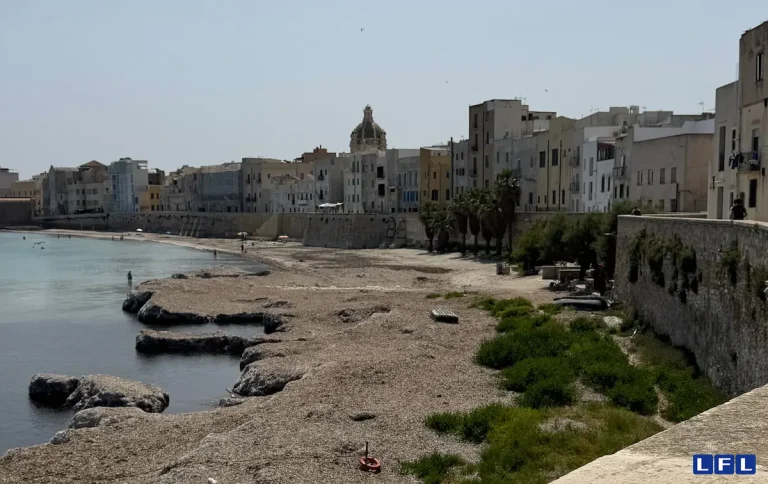
A Philippine island landscape showing pristine beach and a distant city skyline, representing travel and connectivity.
Updated: April 15, 2026
This analysis looks at how Travel Philippines is evolving in a landscape shaped by policy shifts, airline strategy, and digital convenience. It asks what these changes mean for travelers, local communities, and the country’s broader appeal. This piece explores how Travel Philippines interacts with policy, carriers, and digital services to influence planning, safety, and cost for both domestic and international visitors.
Connectivity and the Philippine Travel Scene
Connectivity sits at the heart of any travel equation. When international routes expand or new domestic links emerge, the tipping points occur not only in gate counts and schedules, but in how travelers assemble itineraries. The prospect of direct international flights—such as a Manila-to-Chicago corridor under discussion in industry coverage—can shorten travel times, broaden seasonal windows for tourism, and attract a wider mix of visitors from outside the region. For travelers, better connectivity translates into more predictable pricing, greater choice in departure and arrival times, and the ability to combine island hopping with urban explorations in ways that previously required more planning and risk tolerance. For the Philippines, easier access can amplify regional trade, support hospitality jobs, and stimulate infrastructure improvements tied to tourism demand. Policy-makers and carriers thus face a shared incentive: optimize routes and schedules to balance traveler convenience against long-run sustainability, environmental considerations, and community impact.
From a practical standpoint, travelers should monitor route announcements, timing, and seasonal constraints. A route that seems marginal on paper can become a backbone for a new travel pattern if it pairs well with domestic feeder services, visa arrangements, and convenient points of entry. The bottom line is that connectivity is not a single transit event but a weaving of aeronautical capacity, ground transportation, and digital tools that enable efficient booking, real-time updates, and flexible itineraries.
Policy, Safety, and the Travel Document Landscape
Policy changes and safety advisories influence how travelers plan and what they expect from official channels. When governments adjust travel documentation requirements or update advisories, the friction point shifts from notional convenience to operational reality. For instance, new travel advisories or modifications to required documents can affect wait times at airports, the cost and effort of obtaining papers, and the reliability of check-in processes. The Philippines’ travel ecosystem often reflects a balance between openness to visitors and safeguards that address health, security, and regulatory alignment with international norms. In practice, travelers benefit from clear guidance on documentation, timelines for renewals or updates, and streamlined processes at key entry points. When such measures are communicated effectively, overall traveler confidence rises, supporting steadier tourism demand even amid broader geopolitical or health-related uncertainties.
For readers planning trips, the takeaway is proactive preparation: verify document validity well before departure, stay tuned to official advisories, and anticipate potential changes that could affect visa status, entry requirements, or the need for ancillary documents such as travel insurance or vaccination records. A well-informed traveler navigates policy shifts with minimal disruption and fewer last-minute scrambles, preserving time and budget for experiences on the ground.
Cost, Access, and Digital Tools for Travelers
Pricing dynamics and access to services are increasingly mediated by digital platforms, which compress decision cycles and broaden price transparency. In a market where flight capacity, hotel demand, and local costs shift with seasonality and policy signals, travelers benefit from tools that compare routes, forecast fare changes, and offer flexible booking options. The rise of online booking, mobile payments, and e-arrival or e-visa frameworks—where available—helps demystify travel planning and reduce the friction of last-minute changes. For the Philippines, this digital uplift interacts with domestic connectivity, enabling travelers to assemble multi-leg itineraries with greater confidence. It also raises expectations: travelers anticipate accurate real-time updates, dependable SIM options, and accessible customer support in local languages.
That said, cost remains a tangible variable. Prices can reflect demand volatility, airport taxes, and ancillary charges, all of which compound when travelers add inter-island hops or cross-border segments. Practical planning means building buffers into budgets, selecting carriers with transparent pricing, and using flexible tickets where possible. A savvy traveler will also map out offline backups—alternative routes and insurance options—that mitigate disruptions caused by weather, airspace restrictions, or health advisories.
Scenario Planning for Travelers and Tourism
To translate macro forces into actionable steps, it helps to frame scenarios. In a favorable trajectory—characterized by robust airline investments, stable policy, and rising inbound demand—Travel Philippines experiences more consistent flight frequencies, predictable pricing, and expanded access to diverse regions. In this scenario, travel itineraries can be more ambitious: longer stays, more domestic legs, and higher repeat visitation. A more conservative outlook—where policy fluctuations or external shocks constrain capacity—could yield higher prices, fewer direct options, and longer planning windows for international visitors. In either case, travelers benefit from flexible schedules, a toolkit of backup routes, and a clear plan for contingencies (weather, strikes, or visa delays). For businesses in the travel space, this framing supports more resilient marketing and pricing strategies, as well as investment in customer support infrastructure that can adapt to shifting demand patterns.
The practical implication is that readers should build travel plans around modular segments: core city stays, a handful of core islands, and optional add-ons that can be traded in or out depending on route availability and price signals. This approach reduces risk while preserving the opportunity to seize favorable deals when they appear, especially in shoulder seasons or during promotional windows offered by carriers and hotels.
Actionable Takeaways
- Track international route announcements and seasonal schedules that could shorten travel times or unlock new markets for Philippine destinations.
- Prepare documentation early and verify entry requirements through official channels to minimize last-minute complications.
- Use price-tracking tools and flexible tickets to manage cost volatility, especially when adding island-hopping segments.
- Leverage digital tools for booking, SIM/eSIM options, and real-time updates to improve on-ground mobility and planning accuracy.
- Plan modular itineraries with core anchors (cities or islands) and optional add-ons that can be swapped if routes are disrupted.
- Stay informed about local safety advisories and travel guidance to avoid avoidable delays and ensure a smoother experience.
Source Context
Further reading and context related to the shifts discussed include: