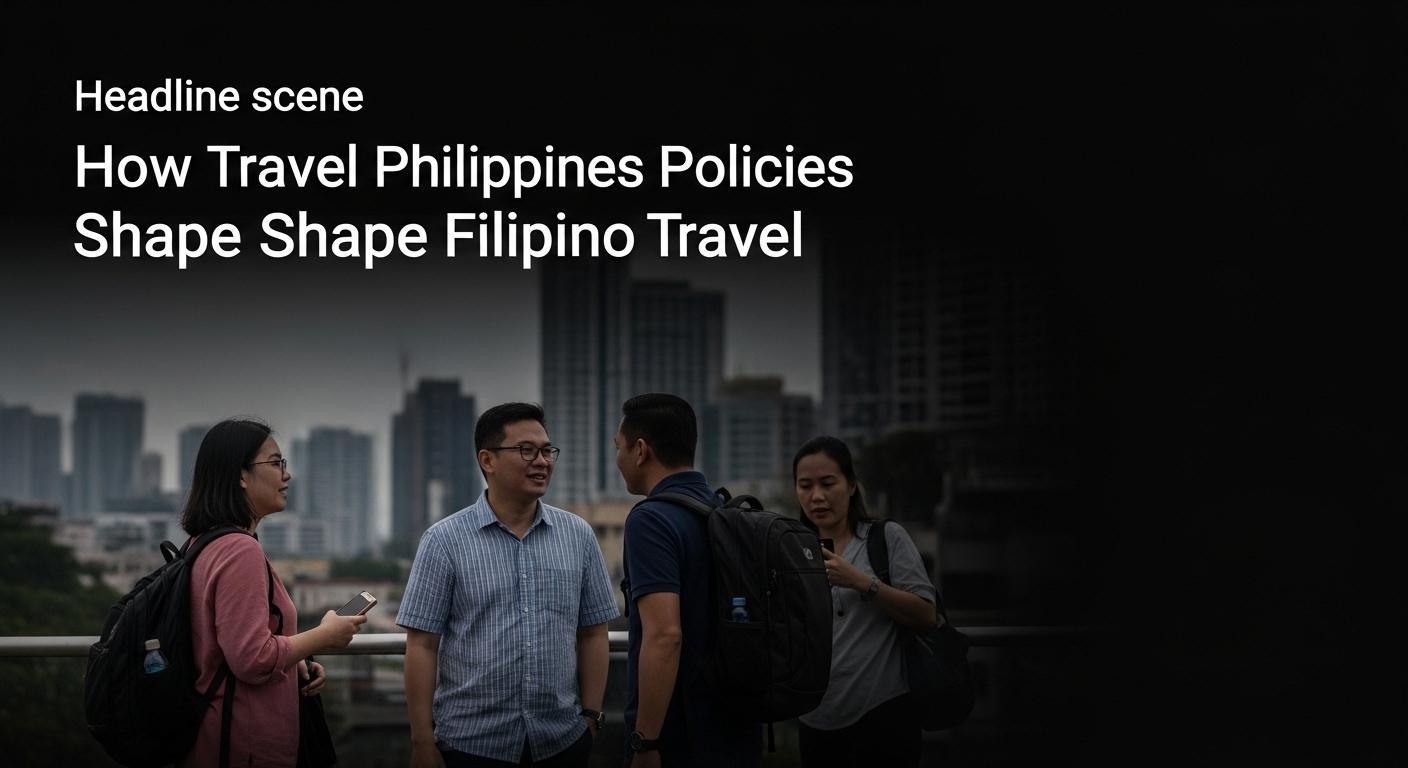
Traveler planning Philippine itinerary amid evolving travel policies
Updated: April 15, 2026
Amid evolving travel advisories and policy shifts, this analysis considers how Travel Philippines policies shape traveler decisions, safety protocols, and the rhythm of regional tourism. For Filipino travelers and foreign visitors alike, the question is not only what rules exist, but how they cascade through itineraries, costs, and recovery timelines. This piece foregrounds the question how Travel Philippines policies influence everyday planning, risk assessment, and the economics of the travel ecosystem in 2026 and beyond.
Policy Shifts and Traveler Behavior
The first-order effect of new advisories or documentation requirements is visible in decision-making tempo. When authorities tighten entry checks, require additional forms, or introduce digital compliance steps, travelers tend to recalibrate: shorter trips, changed dates, or altered destinations. The practical reality is that travel is as much about perceived safety as about price or convenience. In many markets, households weigh the incremental cost of compliance against the perceived protection a policy promises. This creates a choppy but predictable pattern: peak interest followed by cautious booking windows, with a lag before domestic trips regain momentum if international restrictions persist. For the Philippine archipelago, domestic routes often absorb the initial shock, while international travel remains sensitive to policy signals from major gateways. The causal chain is clear: policy clarity reduces friction, while ambiguity raises risk premiums that dampen demand and shift it toward closer destinations or shorter itineraries.
Economic Ripples Across Regions and the Travel Supply Chain
Policy design does not stop at borders; it reverberates through airlines, hotels, and local communities that rely on visitor spending. When entry rules become more complex, carriers reassess capacity, route viability, and seasonal scheduling. Domestic hubs such as Manila, Cebu, and Davao respond by intensifying regional promotions to keep cash flow steady, while offshore destinations that previously depended on a steady stream of international travelers must adjust pricing models, partnerships, and tiered service levels. The most tangible risk is a bifurcation between high-volume routes that can sustain investment and peripheral corridors that become costlier to operate. In a best-case scenario, policy alignment between national and local governments unlocks coordinated campaigns that promote safe, affordable travel while preserving the integrity of travel ecosystems. In a slower or more fragmented scenario, tourist leakage to nearby markets or longer booking windows for international trips could slow the pace of recovery for many tourism-related businesses.
The Role of Technology, Data, and Public-Private Coordination
Technology can dampen the disruptive effects of policy changes by streamlining compliance, reducing information asymmetries, and speeding up vetting processes. Integrated travel platforms that sync passage documents, vaccination records, and quarantine exemptions with airline check-in systems can significantly lower friction. Public-private coordination matters here: clear data-sharing agreements, standardized formats for digital documents, and predictable timelines for policy updates help operators forecast demand and allocate capacity more efficiently. The broader implication for travelers is straightforward—when the system communicates changes promptly and transparently, confidence improves, and the risk-adjusted cost of trips declines. This, in turn, supports steady domestic tourism growth and maintains international connectivity at a time when markets are rebalancing post-pandemic norms.
Actionable Takeaways
- Travelers: Monitor official government portals for policy changes and verify required documents well before departure to minimize last-minute disruptions.
- Travel operators: Build flexible booking policies and adapt pricing to reflect policy risk, offering safe, value-driven packages that align with evolving entry rules.
- Airlines and hotels: Invest in digital verification and contactless services to reduce processing times and improve traveler confidence during peak periods.
- Local destinations: Develop concise, local-facing guidance on safety, health requirements, and transport options to prevent information bottlenecks for visitors.
- Policymakers: Prioritize transparent, timely updates and align regional rules to minimize cross-border ambiguity for travelers and the supply chain.
Source Context
The following items provide background on related travel-policy discourse and industry responses. They are included to offer readers additional perspectives while keeping this analysis self-contained and responsible.
From an editorial perspective, separate confirmed facts from early speculation and revisit assumptions as new verified information appears.