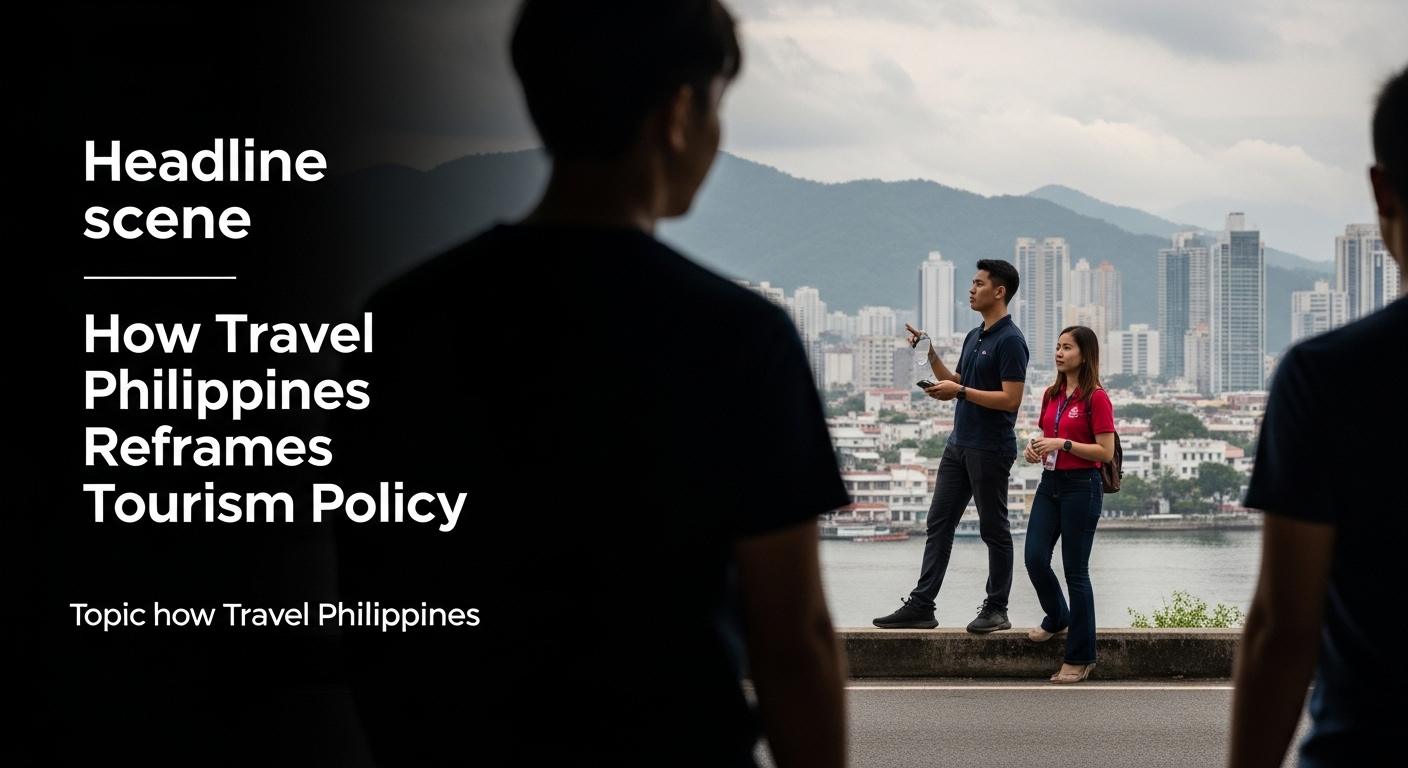
Editorial travel-policy analysis on Philippines tourism and travel policy landscape
Updated: April 15, 2026
china Travel Philippines is not simply a niche phrase; it frames a broader rethink of how travel corridors across East Asia may rewire Philippine tourism in the coming years. As Philippine travelers seek safer, richer experiences, this analysis locates the crossroads where policy, markets, and local ecosystems intersect.
Market Signals and Cultural Corridors
Across East Asia, travel rebounds are reinforcing a pattern: visitors increasingly favor multi-destination journeys that weave culture, nature, and contemporary city life. The Philippines sits at a strategic juncture in this map—it is a regional hub with diverse ecosystems, multilingual hospitality talent, and a social-media appeal that resonates with Chinese and other East Asian audiences. For Philippine readers, the question is not only whether demand exists but how supply chains—air connectivity, hotel inventory, and local experiences—can scale to meet it. When regional markets normalize, small, high-touch products that emphasize safety, accessibility, and reliability tend to outperform generic packages.
Beyond headline route openings, the logic remains: travelers follow usable, repeatable patterns. If a corridor between China and the Philippines is to materialize, it will hinge on synchronizing flight schedules with major hubs and creating product bundles that minimize friction. That dynamic invites an ecosystem where destination marketing, midscale accommodations, and guided experiences are co-created with Chinese operators who understand family travel, language needs, and pace preferences.
Policy Shifts and Travel Dynamics
Policy is the quiet engine of cross-border travel. In East Asia, visa facilitation, aviation agreements, and airport capacity influence both price and schedule stability. For the Philippines, progress in bilateral tourism dialogues with Chinese cities or provinces could reduce entry frictions and unlock longer stays or multi-city itineraries. The practical upshot is clear: travelers make plans when rules are predictable and carriers offer value. In such a climate, airlines and travel companies that provide clear, bilingual information about visa requirements, insurance options, and emergency support become essential infrastructure for confidence.
Another notable dynamic is the potential for co-created experiences that blend Filipino hospitality with Chinese cultural interests—food tours, heritage routes, and nature-centered itineraries that can be delivered through trusted local operators and vetted partners. When operators integrate cross-cultural expectations—ease of communication, quality standards, and transparent pricing—demand becomes more resilient to short-term shocks and cycles of seasonality.
Practical Itineraries for Philippine Travelers
For Philippine readers, the starting point is to frame itineraries that accommodate both return trips and longer, multi-city experiences. A practical approach emphasizes flexibility: short getaways anchored in reliable gateways such as Manila, Cebu, or Davao, with connections to primary Chinese entry points like Guangzhou, Shanghai, or other major hubs. Travelers should verify current visa and entry rules before booking and favor itineraries that combine cultural experiences with nature-based settings. A two-pronged model could be particularly effective: (a) a gateway-city experience in China paired with a curated Philippine island or cultural circuit; (b) a multi-city plan that threads the Philippines with another regional hub (for example Singapore or Hong Kong) to broaden exposure while distributing risk across markets.
In designing these itineraries, the emphasis should be on reliability—flight frequency, hotel standards, and on-ground services that bilingual staff can support. Itinerary planners should partner with reputable local guides who can translate expectations, especially for families, first-time visitors, and travelers seeking authentic experiences without the friction of misaligned services. The outcome is greater predictability in travel time, better value for money, and a smoother return to routine once the trip ends.
Risks, Opportunities, and the Road Ahead
Every cross-border corridor carries risks. Economic variability, political shifts, or health-related concerns can abruptly shift traveler sentiment. Yet, there are tangible opportunities for the Philippines to position itself as a bilingual, culturally vibrant partner that offers easy access to pristine beaches, biodiversity, and heritage cities while leveraging existing connections with Chinese educational, business, and family networks. A credible China–Philippines travel dialogue could extend to sustainable tourism practices, joint marketing campaigns, and shared data analytics that help operators anticipate demand, manage capacity, and improve traveler satisfaction across markets.
Actionable Takeaways
- Map current flight and visa pathways linking major Chinese gateways to Philippine hubs, and monitor airline partnership announcements.
- Center product development on safety, flexibility, and cultural resonance to attract both short visits and longer stays.
- Foster public-private partnerships that co-create cross-border itineraries with clear consumer messaging in both Chinese and Filipino markets.
- Invest in bilingual guides and digital tools to enhance ease of navigation for travelers moving across China and the Philippines.
- Prioritize sustainable tourism and community-led experiences that deliver value for local economies and travelers alike.