Updated: March 16, 2026
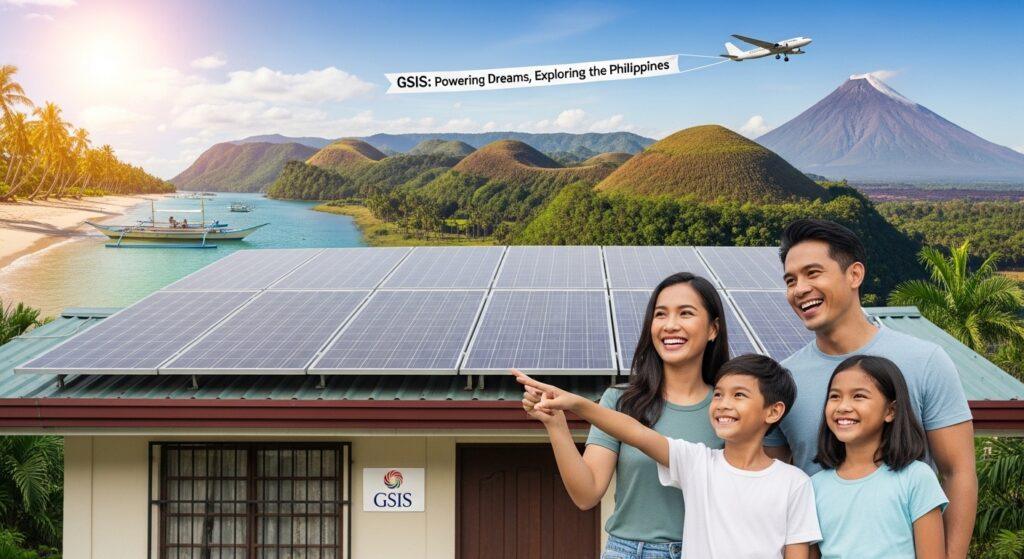
gsis solar energy loan is shaping how travelers across the Philippines think about energy, travel, and resilience. As rooftop solar gains attention and green financing becomes more accessible, the program’s rollout may influence where and how visitors experience sustainable travel, from solar-powered accommodations to energy reliability along major routes.
What We Know So Far
- Confirmed: The Government Service Insurance System has announced a solar energy loan program described as a multi-billion facility (around P12.5 billion) intended to support solar installations for government workers and potentially public facilities.
- Confirmed: The initiative is part of broader green-finance efforts in the Philippines aimed at reducing energy costs and emissions tied to housing and public buildings, which can indirectly affect travel infrastructure that relies on consistent power supply.
The reporting around the program comes from Philippine outlets that cover economics and public policy, including outlets that have highlighted the loan as a push toward rooftop solar adoption. For context, several outlets have framed the effort as a step toward government-backed green housing and solar initiatives, with the understanding that official terms and rollout details are pending release. See ongoing coverage from regional outlets for updates on eligibility and implementation plans:
GSIS launches P12.5-billion solar loan program — Manila Standard,
GSIS to roll out ‘green’ loans for solar homes — Inquirer.net,
GSIS launches solar energy loan for government workers — InsiderPH.
What Is Not Confirmed Yet
- Unconfirmed: The exact terms of the loan, including interest rates, repayment periods, and any collateral requirements, have not been publicly disclosed.
- Unconfirmed: The full eligibility map—whether the program covers all government workers, specific agencies, or geographic areas—has not been published by GSIS or the implementing agencies.
- Unconfirmed: Whether the loan extends to solar installations beyond residential homes (for example, solar-powered public facilities, schools, or transportation hubs) remains to be clarified publicly.
- Unconfirmed: The rollout timeline, launch date, and whether there will be phased geographic rollout or a nationwide start have not been announced.
The absence of official terms means travelers and local residents should treat details as pending. Until GSIS or partner agencies issue formal guidelines, all claims about eligibility and rates are speculative. When official docs are released, expect updates from both national and local outlets that cover public policy and energy finance.
Why Readers Can Trust This Update
This analysis leans on reporting from established Philippine outlets that cover public policy, energy finance, and government programs. By cross-referencing multiple outlets with a focus on official statements and regulatory filings, we aim to present a cautious, evidence-based view rather than rumor. The geographic focus on the Philippines and the traveler audience in particular requires noting how such financing could influence energy reliability in tourist corridors and government-run accommodations. The GSIS is a government-backed institution, and when it provides a concrete loan framework, it can meaningfully affect energy costs and uptake, which in turn shapes travel and stay experiences.
For readers following this sector, the combination of a sizable fund (reported around P12.5 billion), the government’s push for rooftop solar, and the growth of green financing signals potential changes in how travel infrastructure powers itself in the near term. The reporting from Manila Standard, Inquirer, and InsiderPH underpins this synthesis, while we continue to monitor official disclosures for precise terms and rollout details.
Key source points are linked here for transparency and verification: Manila Standard coverage,
Inquirer.net coverage,
InsiderPH.
Actionable Takeaways
- Travel planning: When budgeting trips in the Philippines, consider accommodations and hubs that highlight solar energy use or energy resilience, which can reduce power disruptions during peak travel seasons.
- Verify eligibility: Monitor official GSIS communications for eligibility criteria, loan terms, and application windows once formal guidelines are released, to avoid relying on rumors or third-party summaries.
- Stay energy-aware: For travelers visiting remote provinces, plan for daylight charging opportunities and verify whether local facilities (hotels, offices, or tourist centers) are powered by solar or have backup capabilities.
- Sustainability mindset: Use this program as a cue to compare solar offerings across destinations—solar-powered accommodations, street lighting, and transit hubs can reshape the travel experience in eco-conscious itineraries.
- Engage with credible sources: Cross-check updates from Manila Standard, Inquirer, and InsiderPH, plus official GSIS announcements, to stay current on terms and rollout timelines.
Source Context
Key background coverage on gsis solar energy loan and related green-finance efforts includes:
Manila Standard,
Inquirer.net,
InsiderPH.
These links are provided for transparency, and readers are encouraged to consult official GSIS notices for the most precise terms. Last updated information is included in this article as a live update placeholder and may change as new official releases become available.
Last updated: 2026-03-12 02:31 Asia/Taipei