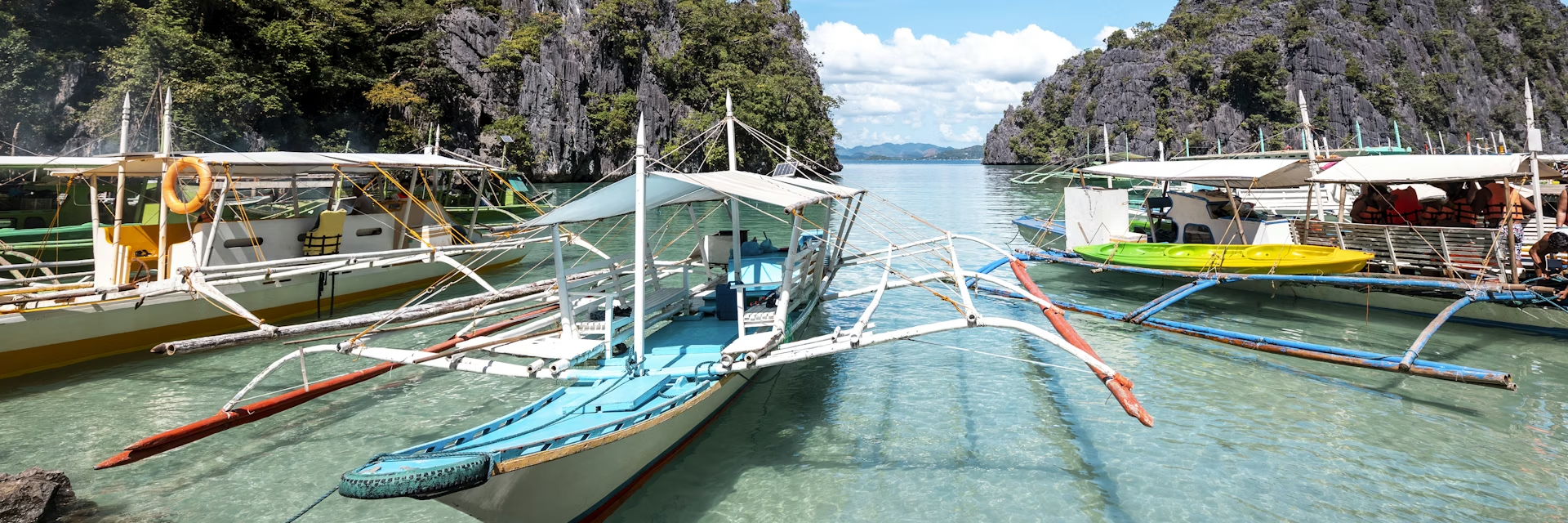
In practice, how Travel Philippines is approached reveals policy, infrastructure, and consumer behavior shaping the archipelago’s tourism trajectory. As the country negotiates new travel advisories, visa rules, and investment in airports and hospitality, travelers and local entrepreneurs confront a changing landscape where every decision—down to the choice of city and route—has amplified consequences.
Policy shifts reshaping travel in the Philippines
Policy shifts—notably those governing entry, visas, and travel advisories—set the tempo for both short getaways and longer stays. When entry rules are relaxed or digital channels streamline documentation, international visitors tend to spread across more routes, feeding smaller towns along coastlines and inland heritage sites. Conversely, stricter advisories or complex document requirements can push potential visitors to re-route or delay plans, concentrating demand on a few well-connected hubs. The Philippines, with its archipelagic geography, becomes particularly sensitive to these policy signals because connectivity across islands depends on agreements among national agencies, carriers, and local governments. The broader implication is that a traveler’s decision to visit a region is no longer simply about price or scenery; it is about bureaucratic clarity, transit reliability, and perceived safety. In trials or pilot programs—such as simplified e-documents or designated tourism corridors—the travel experience can shift from friction to flow, unlocking a multiplier effect for hospitality and services in peri-urban and rural areas.
Economic ripple effects for local tourism
Infrastructure investments, even when incremental, ripple through the tourism ecosystem. Upgraded airports, better road links to provincial towns, improved port facilities for island hopping, and digitized services collectively reduce friction for visitors and raise daily spending. The prospect of more straightforward visa regimes or longer average stays raises occupancy and off-season demand, giving hoteliers, transport operators, and local craftspeople new opportunities. The economic effects extend beyond hotels: street food vendors, tour operators, and cultural shows benefit from higher footfall, while conservation-minded destinations may attract federal or local funds aimed at sustainable development. But there are counterweights. Capacity constraints, seasonality, and sensitive ecosystems require careful planning so growth does not outpace resilience. The most robust growth scenarios center on balanced tourism that distributes visitors across regions, fosters job creation, and embeds local content in experiences—rather than pushing mass tourism to a few crowded spots.
Practical guidance for travelers
For travelers, the current climate of policy change and investment means a more complex planning process—but also clearer pathways to richer experiences. A practical approach emphasizes timely information, flexible itineraries, and respect for local communities. Before you depart, review official advisories and entry requirements from government portals, and consider whether your stay aligns with any new visa pathways or digital documentation pilots. Once in the Philippines, start with smaller gateways to test local transport links and services, then branch to less-visited provinces whose ecosystems are sensitive to visitor pressure. Use multi-modal itineraries that include ferries, buses, and domestic flights to reduce route risk, and invest in longer stays to absorb seasonal fluctuations in pricing and availability. Travelers who pair tech with local knowledge—using travel apps to track weather, transport schedules, and crowd levels—tend to experience safer, more efficient trips and are better positioned to support small businesses and communities they visit.
Future outlook for Philippine travel
The road ahead for Philippine travel combines opportunity with risk. A base-case scenario expects gradual diversification of arrival sources, steady investments in regional hubs, and a more transparent regulatory environment that smooths the path from booking to departure. Optimists point to renewed interest from regional markets and diaspora travelers who want to reconnect with home towns, while skeptics caution that climate events, capacity bottlenecks, or policy misalignments could temper momentum. The analysis here frames multiple outcomes as plausible, urging policymakers and industry players to pursue inclusive growth that raises traveler confidence while protecting vulnerable ecosystems. In any scenario, the most resilient travel ecosystems will hinge on reliable connectivity, transparent rules, and a shared commitment to sustainable, culturally aware experiences across the archipelago.
Actionable Takeaways
- Monitor official travel advisories and evolving visa frameworks to plan long or multi-city trips across islands.
- Support regional tourism by including lesser-known destinations in itineraries and engaging local operators.
- Leverage technology to navigate transport options, weather, and crowd levels for safer, smoother travel.
- Prioritize sustainable travel practices that protect ecosystems and benefit host communities long-term.
- Prepare flexible dates and budget buffers to accommodate policy changes or seasonal fluctuations.