Exploring the Rise of Digital Nomadism: How Remote Work is Influencing Travel Trends
The dawn of the digital age has brought about transformative changes in the way we work, live, and travel. Among these changes, the rise of digital nomadism stands out as a significant trend that’s reshaping global travel patterns. As technology continues to evolve, the boundaries between work and travel blur, creating opportunities for individuals to explore the world while maintaining their careers. In this comprehensive exploration, we delve into how remote work is influencing travel trends, what it means to be a digital nomad, and what the future holds for this burgeoning lifestyle.
The Emergence of Digital Nomadism
Digital nomadism is not a new concept, but it has gained unprecedented traction in recent years. This lifestyle involves individuals who leverage technology to work remotely while traveling to different locations. The rise of remote work has played a pivotal role in enabling more people to adopt this lifestyle. With the advent of high-speed internet, cloud computing, and collaborative tools, professionals can stay connected to their teams and clients from virtually anywhere in the world.
Several factors have contributed to the growing popularity of digital nomadism. First and foremost is the increasing acceptance of remote work by employers. Companies worldwide are recognizing the benefits of offering flexible work arrangements, leading to a surge in remote job opportunities. This shift has opened doors for individuals to take control of their work environments and schedules, allowing them to balance work and travel in ways that were previously unimaginable.
How Remote Work is Shaping Travel Trends

The ability to work from anywhere has had a profound impact on travel trends. Digital nomads are not bound by traditional vacation schedules or office locations, which allows them to explore destinations for extended periods. This has led to a rise in slow travel, where individuals immerse themselves in local cultures and communities over weeks or months rather than days. Slow travel not only provides a deeper understanding of the places visited but also reduces the environmental impact associated with frequent travel.
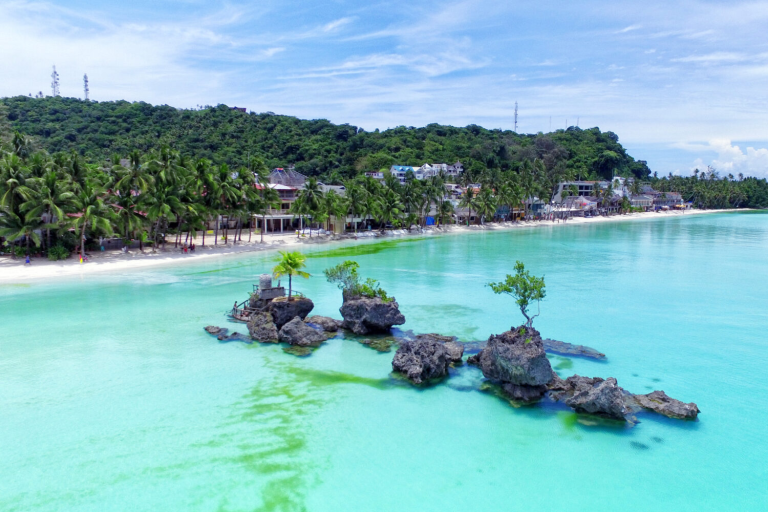
Moreover, digital nomadism has encouraged the development of new travel-related services and infrastructure. Many cities are now catering to this demographic by offering co-working spaces, co-living arrangements, and networking events tailored to remote workers. Destinations like Bali, Chiang Mai, and Lisbon have become hotspots for digital nomads due to their affordable cost of living, vibrant communities, and reliable internet connectivity. These locations provide the perfect blend of work-friendly environments and leisure opportunities.
The Role of Technology in Facilitating Digital Nomadism
Technology is the backbone of the digital nomad lifestyle. Various tools and platforms have emerged to support remote work and make travel more accessible. Communication tools such as Slack and Zoom enable seamless collaboration, while project management software like Trello and Asana keeps teams organized and productive. Cloud storage solutions allow easy access to files and documents from anywhere, ensuring that work continues uninterrupted regardless of location.
Additionally, technology has revolutionized the way digital nomads find accommodation and plan their travels. Platforms like Airbnb and Booking.com offer a wide range of lodging options, from short-term rentals to long-term stays. These platforms are designed to cater to the needs of remote workers by providing amenities such as fast Wi-Fi and dedicated workspaces. Furthermore, travel apps and websites offer valuable insights into destinations, helping digital nomads make informed decisions about where to go next.
Challenges and Considerations for Digital Nomads

While digital nomadism presents exciting opportunities, it also comes with its own set of challenges. One of the primary concerns is maintaining work-life balance. Without the traditional office environment, the lines between professional and personal life can become blurred. Digital nomads must set boundaries and establish routines to ensure that they remain productive and avoid burnout.
Another consideration is the legal and financial aspects of living and working abroad. Digital nomads need to be aware of visa requirements, tax obligations, and healthcare options in the countries they visit. Many governments are now introducing digital nomad visas, which allow remote workers to stay for extended periods while contributing to the local economy. Understanding these regulations is essential for a smooth and successful nomadic experience.
The Future of Digital Nomadism
As the world becomes increasingly interconnected, the digital nomad lifestyle is poised for continued growth. The COVID-19 pandemic has accelerated the adoption of remote work, and many companies are now offering permanent remote positions. This shift is likely to encourage more individuals to explore the digital nomad lifestyle and seek opportunities to work and travel simultaneously.
Furthermore, the concept of digital nomadism is expanding beyond freelancers and entrepreneurs. More traditional professions, such as educators, healthcare professionals, and corporate employees, are finding ways to incorporate remote work into their lives. This diversification of the digital nomad community is expected to drive innovation and reshape industries across the globe.
Conclusion: Embracing the New Age of Work and Travel
The rise of digital nomadism represents a fundamental shift in the way we perceive work and travel. It offers a glimpse into a future where individuals have the freedom to pursue their passions and explore the world without sacrificing their careers. As technology continues to advance and remote work becomes more prevalent, the digital nomad lifestyle will likely become an integral part of the global workforce.

For those considering embarking on a digital nomad journey, the opportunities are vast and varied. Whether you’re seeking adventure, cultural immersion, or professional growth, the digital nomad lifestyle provides a unique avenue to achieve these goals. By embracing this new age of work and travel, individuals can create fulfilling and dynamic lives that transcend traditional boundaries.
In conclusion, digital nomadism is more than just a trend; it’s a transformative movement that is redefining travel and work for the modern era. As we continue to explore and adapt to this lifestyle, the possibilities are endless, offering a world of experiences for those willing to take the leap.
Impact on Local Economies
The influx of digital nomads has significant implications for local economies. As remote workers spend extended periods in their chosen destinations, they contribute to the local economy by utilizing services such as housing, dining, and entertainment. This steady flow of economic activity can be particularly beneficial for regions that rely on tourism but have faced seasonal fluctuations. By attracting digital nomads, these areas can achieve a more stable and year-round economic boost.
Furthermore, digital nomads often seek out authentic experiences and are eager to engage with local communities. This fosters cultural exchange and mutual understanding, enriching the lives of both the visitors and the residents. Local businesses can capitalize on this trend by offering products and services that cater to the specific needs of remote workers, such as cafes with reliable Wi-Fi, language courses, and networking events.
Environmental Considerations
While digital nomadism promotes slow travel, which can reduce the carbon footprint associated with frequent flights, there are still environmental considerations to address. The increase in long-term stays and the demand for infrastructure to support remote work can have environmental impacts. Cities and communities must implement sustainable practices to accommodate the growing number of digital nomads without compromising the environment.
Many digital nomads are conscious of their environmental impact and seek to minimize it by adopting sustainable travel practices. This includes choosing eco-friendly accommodations, supporting local and sustainable businesses, and reducing waste. By promoting and adhering to sustainable practices, digital nomads can set a positive example and encourage others to do the same.
Building a Supportive Community
One of the most rewarding aspects of the digital nomad lifestyle is the opportunity to connect with like-minded individuals from around the world. Many digital nomads find solace in communities that offer support, camaraderie, and shared experiences. These communities often organize meetups, workshops, and social events to help remote workers build networks and friendships while on the road.
Online platforms and forums dedicated to digital nomads have also emerged, providing valuable resources and advice for those navigating this lifestyle. Websites like Nomad List offer insights into the best destinations for remote work, cost of living comparisons, and user-generated reviews. These platforms enable digital nomads to make informed decisions and connect with others who share their passion for travel and remote work.
Adapting to a Post-Pandemic World
The COVID-19 pandemic has reshaped many aspects of work and travel, accelerating the adoption of digital nomadism. As the world adjusts to a new normal, the future of work is likely to remain flexible, with remote and hybrid models becoming more common. This shift presents opportunities for more people to embrace the digital nomad lifestyle, but it also requires adaptation to new challenges.

Travel restrictions and health considerations have become integral to planning a digital nomad journey. Remote workers must stay informed about the latest guidelines and regulations to ensure safe and seamless travel experiences. The pandemic has also highlighted the importance of having a contingency plan, as unexpected changes can occur at any time. Flexibility and adaptability are key traits for anyone considering a nomadic lifestyle in a post-pandemic world.
The Role of Employers in Supporting Digital Nomadism
As digital nomadism continues to gain traction, employers play a crucial role in supporting their remote employees. Companies that embrace remote work policies and provide the necessary tools and resources can attract and retain top talent who value flexibility and autonomy. By fostering a culture of trust and accountability, employers can empower their teams to thrive in diverse environments.
Some organizations are taking proactive steps to accommodate digital nomads by offering remote work stipends, providing access to co-working spaces, and organizing virtual team-building activities. These initiatives not only enhance employee satisfaction and productivity but also demonstrate a commitment to adapting to the evolving landscape of work.
Conclusion: A World of Opportunities Awaits
The rise of digital nomadism is a testament to the transformative power of technology and the human desire for exploration and connection. As remote work becomes more entrenched in our professional lives, the opportunities for digital nomads to experience the world while pursuing their careers are boundless. This lifestyle offers a unique blend of freedom, adventure, and personal growth, making it an attractive option for those seeking to break free from conventional norms.
Ultimately, digital nomadism is more than a trend—it’s a movement that is reshaping the way we live and work. As this lifestyle continues to evolve, it will pave the way for new travel trends, economic opportunities, and cultural exchanges. For those ready to embark on this exciting journey, the world truly is your office.
About the Author