The island province of Marinduque sits at a strategic crossroads in the Philippines’ travel map, where natural beauty and cultural heritage meet rising awareness of sustainable tourism. This deep-dive into marinduque Travel Philippines probes how visitors, operators, and local communities can align incentives to protect fragile ecosystems while unlocking economic opportunity. It is not simply about ticking boxes for a picturesque itinerary; it is about understanding causality, governance, and practical constraints that shape travel outcomes for residents and travelers alike.
Context and Landscape
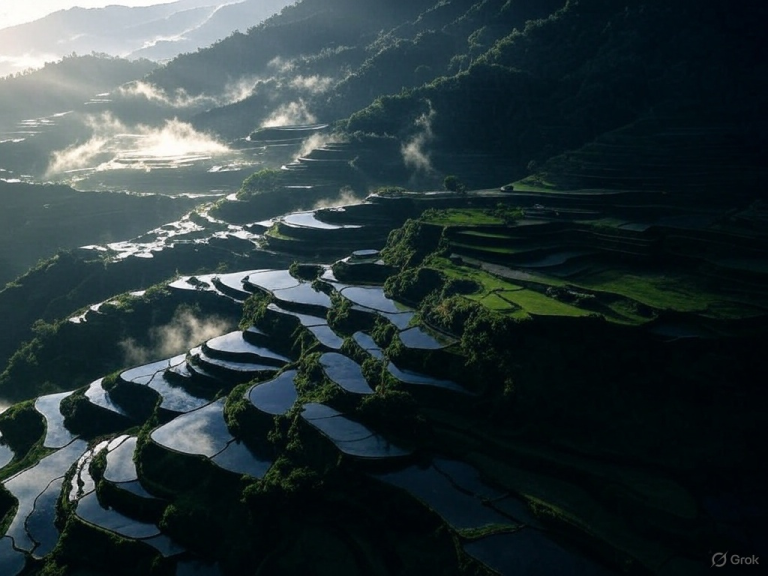
Marinduque presents a varied landscape—rolling hills, limestone coastlines, rice paddies, and turquoise bays that invite both coastal exploration and inland trails. The island’s appeal hinges on accessible nature experiences, from beach coves to small fishing villages, and on cultural rhythms anchored by local festivals and everyday hospitality. In recent years, the island has attracted attention as a test case for eco-conscious travel, where small-scale interventions can reduce environmental footprints and distribute benefits to border communities along the transit routes that connect it with larger Luzon hubs.
Policy discourse around eco-tourism in similar Philippine hotspots emphasizes protection of marine ecosystems and rock-stable livelihoods for residents who depend on seasonal tourism. That framing matters here too: the choices travelers make—from how they book to where they stay—ripples through the island’s mangroves, reef systems, and the viability of family-owned accommodations. The result is a travel ecosystem whose health depends on coherent planning, transparent pricing, and shared stewardship among visitors, operators, and local leaders.
Marinduque as a Travel Nexus
What makes Marinduque a meaningful travel node is not merely its scenery. The island serves as a potential connector—between the high-volume routes that feed Cebu, Palawan, or Boracay and the more intimate, community-led experiences that define sustainable travel. If the province can cultivate well-curated, low-impact itineraries, it strengthens regional tourism networks rather than substituting one mass-tourism corridor for another. This is where the role of local operators becomes crucial: they translate global expectations of responsible travel into on-the-ground practices—community-guided treks, homestays that reinvest earnings locally, and transportation options that minimize congestion during peak windows.
Industry signals from adjacent travel markets suggest that the Philippines’ travelers increasingly seek authenticity, safety, and value alignment. A notable trend is the push toward cycling-friendly routes and nature-based experiences—areas where Marinduque could advance with deliberate coordination. A recently highlighted case involves piloting cycling tourism to promote eco-friendly travel and to help visitors discover off-the-radar sites while dispersing visitor pressure away from crowded beaches. The potential benefits are clear: longer stays, higher household incomes during shoulder seasons, and diversified preservation programs anchored to tourism revenues. The risks are equally real: if not properly managed, new trails can fragment habitats, strain water resources, or displace vulnerable fishing communities. The choice for policy-makers and operators is to scale with guardrails that ensure both growth and stewardship.
Sustainable Travel Considerations
Any sustainable framework for Marinduque must balance demand with ecological and social safeguards. The core questions are: Who captures the value created by tourism, and how does that value translate into durable improvements for residents? The most credible models emphasize community-based tourism where locals hold a voice in pricing, the distribution of revenues, and the selection of projects financed by tourism. Such models also tie in environmental protections—proper waste management, reef-friendly snorkeling practices, and the conservation of mangrove zones that buffer shorelines and support fish nurseries. For travelers, the practical implication is clear: choose operators that transparently report how revenues are allocated, favor accommodations with green certifications or robust waste-reduction programs, and participate in culturally respectful exchanges that benefit communities without commodifying them.
In the Marinduque context, conservation-minded travel thrives where transport choices align with environmental goals. For example, low-emission transport options—water-based shuttles using clean fuel, or guided hikes and community cycling tours—offer routes that minimize carbon footprints while enhancing the traveler’s sense of place. The challenge lies in ensuring that expansion of services does not outrun the island’s carrying capacity, and that seasonal influxes do not erode the quality of life for residents or degrade natural assets. Policy and private sector actors should therefore co-create monitoring mechanisms that track indicators such as water use, solid waste generation in tourist zones, and habitat integrity in protected or sensitive areas.
Infrastructure, Access, and Seasonal Realities
Accessibility remains a prerequisite for any substantive travel uplift. Marinduque benefits from connections to major Luzon gateways, but the efficiency of those links shapes travel costs, experience quality, and ultimately the island’s competitiveness. Investment in reliable ferry services, time-consistent schedules, and predictable maintenance reduces friction for families, backpackers, and older travelers alike. Beyond transport, reliable electricity, water security for hospitality venues, and digital connectivity influence both domestic and international interest. Seasonal patterns—such as weather-linked travel variability or festival calendars—affect capacity planning. Operators that map demand with sensitivity to these patterns are better positioned to offer stable prices, reduce crowding, and protect scarce resources during peak periods.
The governance dimension is equally important. Transparent permitting processes for new lodgings and trails, clear land-use guidelines, and robust conflict resolution mechanisms help ensure that growth benefits do not come at the cost of cultural identity or environmental health. When communities collaborate with travel operators, the region’s narrative becomes not just a picturesque postcard but a living framework for sustainable development—one that can endure shocks from climate or market shifts while preserving Marinduque’s unique character for future generations.
Actionable Takeaways
- Book with operators that publicly disclose revenue sharing, conservation initiatives, and community benefits to ensure money stays on the island and supports local livelihoods.
- Plan trips around respectful, culture-rich experiences such as guided village walks, responsible snorkeling, or forest trails led by local stewards who prioritize habitat preservation.
- Choose accommodations with clear sustainability credentials—waste reduction programs, energy efficiency, and water conservation policies.
- Prefer low-impact transport options when possible, including walking, cycling tours, or shared-ride services that minimize emissions and congestion.
- Support seasonal planning: distribute visitation to avoid peak bottlenecks, align bookings with shoulder seasons, and respect local traditions and festivals.