Updated: March 16, 2026
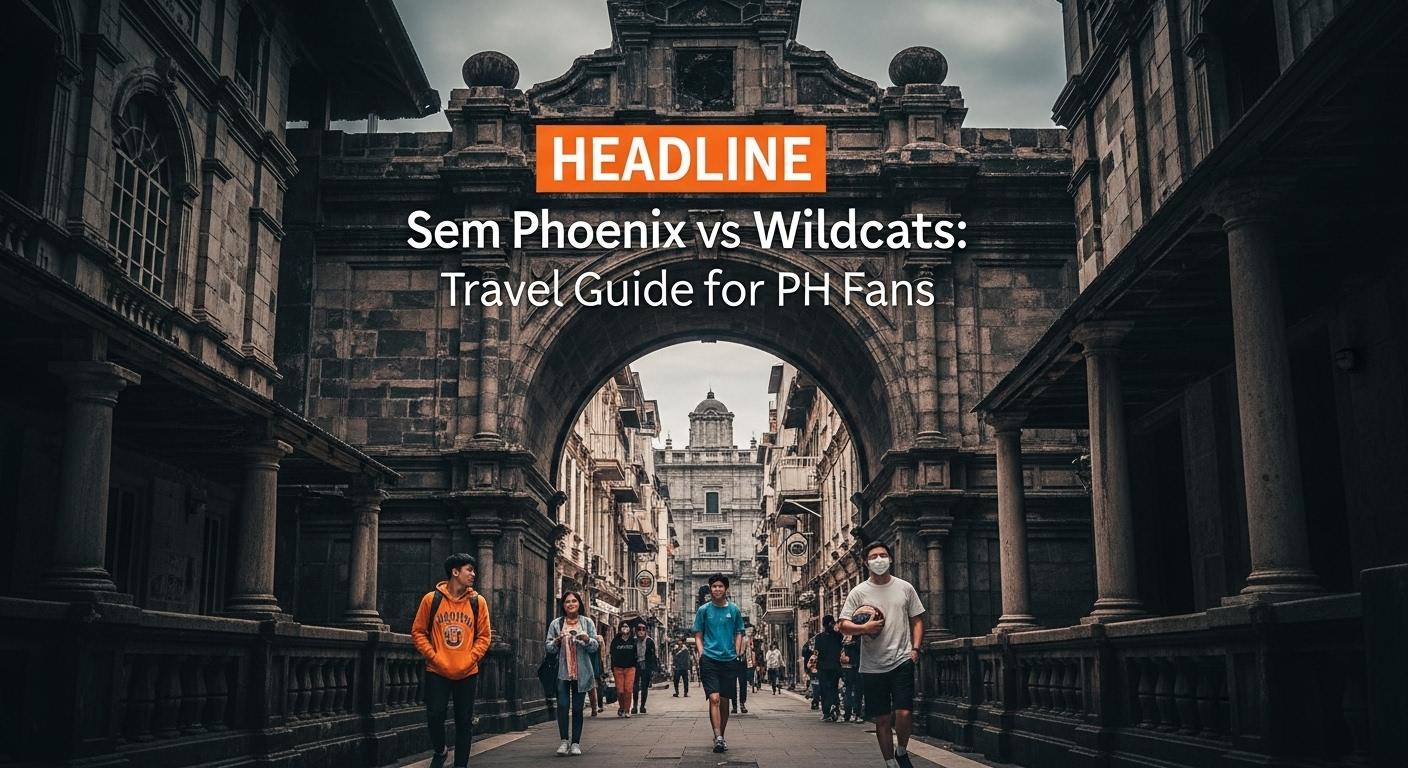
In moffatts Travel Philippines, analysts and organizers watch how a music-tour stop could shape visitor flows, hotel occupancy, and city branding across the archipelago. The June dates tied to The Moffatts offer a live test for moffatts Travel Philippines: can entertainment-driven travel become a lasting part of regional growth, or will it be a one-off spike without lasting legs?
The Concert-Tour as a Tourism Catalyst
Concert tours linked to tourism tend to recalibrate crowds, spending patterns, and stay durations. When a well-known act plans a Philippines stop, regional fans may combine the show with multi-day itineraries—visiting beaches, historic districts, and culinary hubs on either side of the venue. For moffatts Travel Philippines organizers, the June engagement presents a chance to design cross-promotional packages that align music experiences with local attractions, ensuring that the footprint of the event extends beyond a single night. The dynamic depends on visible alignment among venue operators, hotel partners, and travel agencies, which can convert a one-night surge into a sequence of overnight stays, repeat visits, and longer-term interest in regional travel.
Beyond ticket sales, the event functions as a catalyst for media exposure and social sharing that can elevate a destination’s profile. A well-timed concert can anchor a broader narrative—spotlighting nearby destinations, outdoor adventures, and cultural heritage—thereby expanding the set of reasons travelers have to visit in the months surrounding the show. In this sense, moffatts Travel Philippines is less about a single performance and more about choreographing a travel moment that resonates with fans and curious visitors alike.
Infrastructure and Access: From Airports to Local Transit
Effective travel ecosystems for concerts hinge on predictable access. International arrivals funnel into major gateways, while regional travelers depend on reliable domestic connections, ground transport, and clear wayfinding. A successful model pairs the event with coordinated transport windows, enhanced signage, and venue-access options that reduce bottlenecks. For the Philippines, this means leveraging existing airport capacity, optimizing shuttle networks or partner ride-hailing partnerships, and ensuring that nearby accommodations can absorb an influx of fans without inflating rates or compromising safety.
Local authorities and venue operators have an incentive to align event timing with peak transit capacity, avoiding clashes with other large-scale activities. This alignment helps preserve the visitor experience—reducing commute stress for families and weekend travelers—and strengthens the case for future music-tour integrations within broader tourism strategies. In short, the logistics of moffatts Travel Philippines will likely be judged on how smoothly fans can move between airport, hotel, and venue—without sacrificing comfort or safety.
Risks, Disruptions, and Traveler Sentiment
Any high-profile event carries exposure to risk—weather, staffing, and unexpected travel disruptions among them. The travel ecosystem shows how external shocks can ripple through fan plans. Recent reports of flight cancellations and diversions in the region underscore the importance of resilience planning for concert-focused travel. Organizers, airlines, and local agencies must communicate contingency options clearly and maintain flexible booking strategies to preserve traveler confidence. For fans, the perception of reliability—easy refunds, transparent rescheduling, and visible support channels—often dictates whether they commit to multi-day itineraries or view the experience as a one-off snapshot.
Moreover, public sentiment around large events is influenced by broader travel conditions: airport efficiency, crowd management, and post-event transportation. If a city can demonstrate predictable, safe, and comfortable experiences during and after a concert, fans are more likely to consider additional visits or return trips in the future. Conversely, signs of congestion or delays can erode trust and dampen downstream demand. This is where data-informed planning—real-time updates, dynamic capacity management, and cross-agency coordination—becomes a decisive factor in determining whether moffatts Travel Philippines yields lasting tourism gains.
Community and Cultural Exchange: Beyond the Stage
Music events create opportunities for local entrepreneurship, cultural exchange, and the rediscovery of neighborhood economies. Street vendors, food stalls, and small venues can benefit from spillover activity, especially when event organizers collaborate with nearby communities to curate authentic experiences that extend beyond the venue’s perimeter. A thoughtful approach includes supporting local artists, ensuring fair compensation for performers, and promoting sustainable practices that minimize waste and protect cultural assets. In this framework, moffatts Travel Philippines becomes a platform not only for entertainment but for showcasing Philippine hospitality, regional crafts, and regional cuisines—strengthening the tourism value proposition across multiple corridors rather than confining benefits to a single district.
Balancing demand with community impact is essential. When communities feel included and energized by the event economy, they are more likely to participate in and advocate for future travel initiatives. This requires ongoing dialogue among sponsors, local government units, and citizen groups to align incentives and safeguard cultural integrity while maximizing visitor experiences.
Actionable Takeaways
- Travelers: book through official channels, verify event dates and venue access, and build flexible itineraries that allow for weather or transport delays.
- Event organizers: coordinate with airports, transit providers, and hotels to create seamless fan flows; provide clear signage and real-time updates on schedules.
- Local government and venues: invest in crowd management, safety protocols, and multi-modal transport links to improve the fan experience and reduce congestion.
- Local businesses and communities: partner with the event to offer authentic experiences, fair compensation for participants, and sustainable practices that protect neighborhoods and heritage sites.
- Travel media and influencers: craft narratives that connect the concert experience with broader regional attractions, encouraging extended stays and repeat visits.