Updated: March 16, 2026
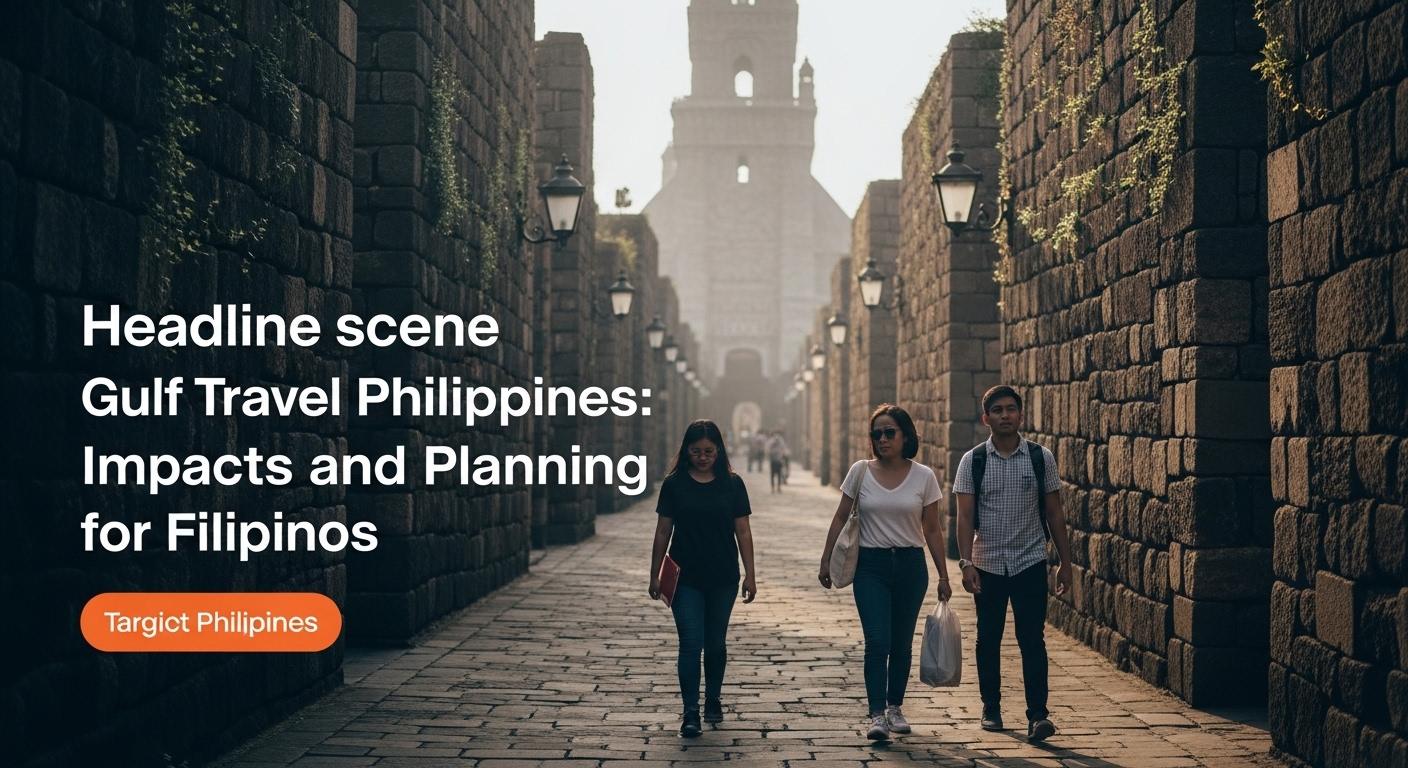
In the Philippines, travel decisions are increasingly shaped by constraints rather than sheer demand, making limited Travel Philippines a useful frame for understanding both leisure trips and family visits this year. This analysis probes the forces behind constrained mobility and what they mean for readers who plan, fund, or influence travel across the archipelago.
Root causes shaping constrained mobility in the Philippines travel sector
The travel web connecting Philippine cities relies on a mix of international routes, domestic connections, and the capacity of airports that handle surges during holidays and peak seasons. As global markets recover from disruption, carriers reassess fleets and schedules, prioritizing high-yield markets and major hubs. That recalibration can reduce the number of affordable seats for price-conscious travelers, effectively tightening access to both international and cross-island trips within the country. Domestic connectivity, meanwhile, remains uneven as a handful of carriers dominate trunk routes, making occasional disruptions—whether weather, maintenance, or labor-related delays—more impactful on travelers with tight deadlines.
External shocks contribute to this environment as well. News of travel chaos or policy-driven evacuations in far-flung corridors spills into the Philippines’ travel calendar, nudging travelers toward cautious planning. The broader pattern is one of volatility rather than steady, predictable travel, which translates into longer lead times for tickets, higher prices during window periods, and a premium on flexibility for itineraries that cross borders or rely on multi-leg routing.
Policy shifts in other markets also ripple inward. For example, even modest moves toward visa facilitation or visa-free access in parallel destinations can redirect visitor flows that Philippine-based agencies and travelers monitor closely. Meanwhile, global advisories and airline-wide risk assessments can compress the available window for spontaneous trips, nudging travelers toward advance booking and diversified routing. Taken together, these dynamics illuminate why limited Travel Philippines often appears as the dominant frame for planning and budgeting this year.
Economic and social ripple effects on tourism and family visits
Travel constraints reverberate through household budgets and the social fabric of the diaspora. Filipino families rely on both domestic trips and overseas visits to maintain ties, support networks, and business opportunities. When flight options contract or prices rise, families postpone reunions or restructure plans around flexible dates and alternative routes, spreading demand across a longer horizon but often at higher total cost. For local economies, the ripple is mixed: some segments, such as domestic tourism, can benefit from shorter, more accessible trips, while inbound tourism and cross-border business travel may slow if intercontinental connectivity tightens. In other words, constrained mobility can slow the flow of remittances alongside the movement of people and ideas, with visible effects on hospitality, local attractions, and travel services that depend on steady demand.
Global disruptions also interact with consumer expectations. When travel chaos is reported in other regions, it increases vigilance among Filipino travelers who weigh price against risk. This risk calculus tends to favor longer planning horizons and a willingness to invest in travel protection, which in turn influences airline revenue models and hotel pricing strategies. The net effect is a travel ecosystem that rewards resilience and adaptability—qualities that travelers and travel professionals must cultivate to navigate a landscape where limited Travel Philippines is the norm rather than the exception.
Policy signals, airline dynamics, and traveler adaptation
Policy signals and airline strategies move in tandem to shape traveler options. When governments adjust evacuation or visa policy, or when carriers respond to shifting demand by consolidating services, the effect can be felt in ticket availability, fare levels, and routing choices. For instance, international routes that previously offered straightforward connections may require longer layovers or alternative partners, increasing total travel time and sometimes cost. Conversely, positive policy moves—such as expanded visa-free access in nearby markets or streamlined entry requirements—can rechannel traveler interest toward certain corridors, potentially easing demand on some routes while intensifying it on others.
Market responses to such shifts emphasize diversification. Travelers increasingly design multi-city itineraries, consider secondary hubs, and weigh combined flights with trains or long-haul buses for shorter legs. Travel planners and agencies that provide flexible fare options, transparent price histories, and clear contingency plans become essential partners in this environment. In this context, the broader trend suggested by recent coverage is not just about fewer seats, but about the necessity of smarter, more adaptable travel planning that aligns with evolving policy and carrier realities.
Destination readiness and practical planning for Filipino travelers
To navigate limited Travel Philippines, readers should foreground flexibility, transparency, and a clearer understanding of the travel ecosystem. Start by mapping multiple routing options—prefer a mix of direct and indirect connections and keep an eye on alternate gateways that can unlock savings if primary routes become expensive or scarce. Build a buffer into travel dates to absorb delays, and consider booking refundable or low-change-fee fares where possible. Leverage travel insurance with broad coverage, including interruption and cancellation, to mitigate the financial risk of sudden shifts in policy or schedule.
Budget planning should reflect price volatility, especially around peak periods when demand surges. Track fare trends across several weeks or months and set price alerts for preferred routes. When planning cross-border trips, stay informed about visa and entry requirements for both the Philippines and stopover points, recognizing that even small policy changes can alter eligibility or processing times. Lastly, maintain a proactive communications plan with travel companions, workplaces, and schools to ensure flexibility in case of postponements or changes in itinerary.
Actionable Takeaways
- Monitor official travel advisories and airline policy notices to anticipate changes in flight availability and pricing.
- Favor flexible or refundable fares when possible, especially on high-demand routes and during holiday windows.
- Design itineraries with multiple routing options and consider nearby hubs to reduce the risk of disruptions.
- Keep a budget cushion for price volatility and potential overnight stays or alternative transport.
- Sign up for travel alerts and leverage trusted travel agents or platforms that emphasize itinerary resilience.
Source Context
- AP News: Limited flights from UAE begin as governments seek to extract citizens from Middle East
- The Guardian: Some flights depart Middle East amid travel chaos as US urges its citizens to leave region
- Travel And Tour World: Visa-Free Access Fuels 6.32% Growth in Taiwanese Arrivals to the Philippines in 2025