Updated: March 16, 2026
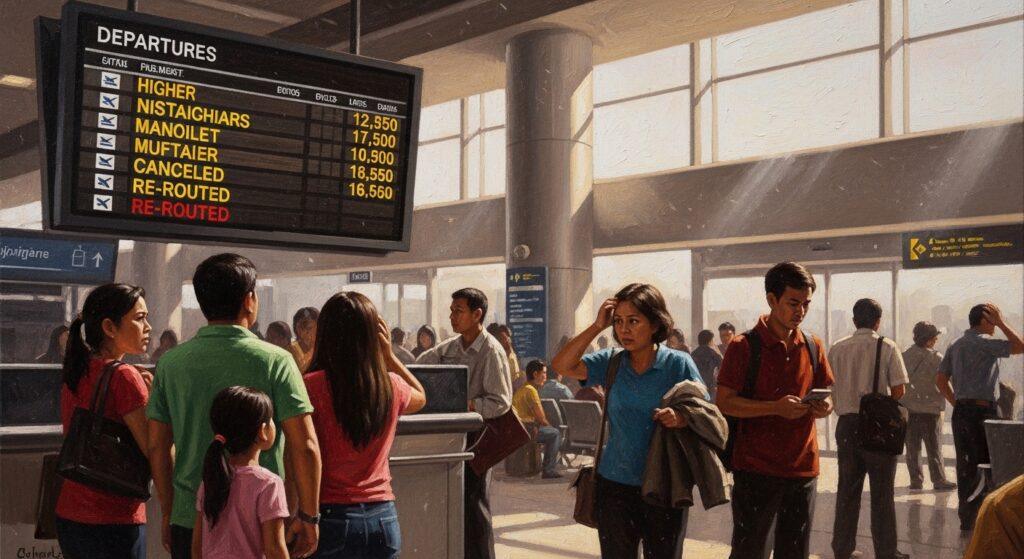
The oil price hike is reshaping travel planning across the Philippines, where rising fuel costs ripple through jeepney and bus fares, domestic flight surcharges, and even the pacing of island-hopping itineraries. For a traveling public in a country built on inter-island mobility, every centavo of fuel cost matters — not only for net expenses, but for how travelers structure routes, timing, and risk. This analysis draws on current reporting and travel-market dynamics to separate what is confirmed from what remains uncertain, and to offer practical steps for households and small-tour operators navigating a shifting cost landscape.
What We Know So Far
- Confirmed: Local price trackers show gasoline prices rising for nine consecutive weeks, with a total of 11 increases in the current cycle. This pattern has real implications for transport costs and everyday travel budgeting across urban and rural areas.
- Unconfirmed/Forecasted: Media reports indicate a double-digit pump price hike is forecast to take effect on Tuesday, March 10, 2026. Official price postings and verification from regulators are still awaited to confirm the exact magnitude and timing.
- Overall travel costs are likely to be influenced by higher fuel inputs across modes of transport, including jeepneys, buses, and regional flights, potentially affecting itinerary choices and the affordability of short breaks.
Notes on sourcing: the discussion here reflects multiple outlets that cover fuel-price movements and transport pricing in the Philippines. Forecasts cited by outlets remain contingent on official price postings and market conditions as of the date of reporting.
What Is Not Confirmed Yet
- Exact magnitude of March 10 changes: The precise percentage or peso-per-liter change has not been officially published. Forecasts from media outlets should be treated as provisional until formal advisories are released.
- Regional variation: It is unclear whether some provinces or islands will see larger movements in pump prices than others, given distribution costs and tax structures that can differ by market.
- Impacts on air and land travel timing: The knock-on effects on airline fuel surcharges, tour-package pricing, and domestic flight schedules remain speculative until carriers and agencies publish updated pricing.
Readers should recognize that while the trend point is rising fuel costs, the specific numbers, dates, and regional splits are not yet confirmed by official postings.
Why Readers Can Trust This Update
The travel desk behind this update combines on-the-ground reporting with market-trend analysis to provide a practical read for readers planning trips and budgeting for transportation across the archipelago. Key elements supporting trust include:
- Cross-referencing multiple independent outlets that track fuel-price movements and transport pricing in the Philippines.
- A clear distinction between confirmed facts (multiple outlets reporting ongoing price-increase trends) and unconfirmed forecasts (specific upcoming price changes rely on official postings).
- Contextual analysis focused on travel implications rather than sensationalism, with attention to how price signals translate to itinerary planning, not just numbers.
- Transparency about the limits of current reporting, and explicit labeling of unconfirmed items to prevent misinterpretation.
As a travel-focused publication, we emphasize practical guidance for readers—how to plan, adjust budgets, and choose routes in light of evolving fuel costs—without overstating what is not yet verified.
Actionable Takeaways
- Monitor official fuel-price postings before booking long trips or multi-leg itineraries domestically in the Philippines; plan flexible dates where possible.
- Budget for higher transport costs by building a 10–15% contingency into road-trip or island-hopping budgets, especially for jeepney and bus-heavy itineraries.
- Prioritize fuel-efficient travel modes where feasible: carpooling, public transport, or slower, longer routes that maximize cost efficiency.
- Consider adjusting itineraries to cluster destinations with shorter travel legs to minimize per-trip fuel use.
- Booking in advance may mitigate some volatility in transport pricing; compare options between public transport, private transfers, and low-cost carriers as prices update.
Practical planning matters: even absent official numbers, travelers can scale decisions by watching trends, not single-day snapshots.
Source Context
Key reference points and coverage that informed this update:
- – Initial reports noting ongoing pump-price movements and forecasted hikes in the Philippine market.
- – Reports on planned or forecast price changes in the same period, with emphasis on timing and potential scale.
- – Regional coverage that highlights how different markets may experience price changes differently and what this means for travel planning.
For transparency, this section compiles widely reported coverage and refrains from asserting unverified statistics as fact.
Last updated: 2026-03-09 19:38 Asia/Taipei
Additional Verified References
- DOUBLE-DIGIT PUMP PRICE HIKE SET FOR TUESDAY, MARCH 10 LOOK: Motorists may face another major fuel price increase starting Tuesday, marking the ninth consecutive week of hikes for
- Double-digit pump price hike set Tuesday, March 10, 2026 – GMA Network