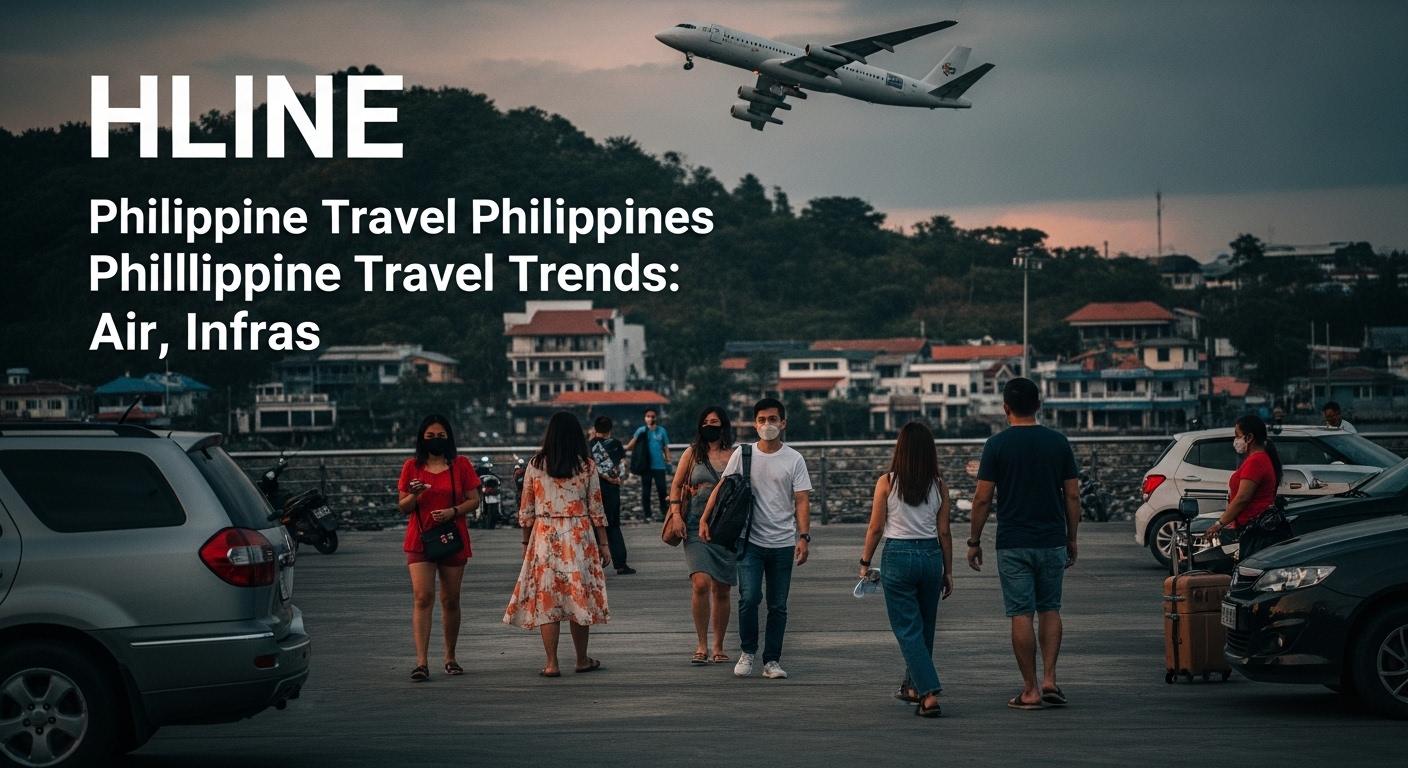
For many observers, philippine Travel Philippines has moved from a post-pandemic recovery slogan to a practical framework shaping how households plan getaways, how businesses align routes, and how cities compete to welcome visitors. This deep-analysis considers how air connectivity, infrastructure investments, and the digital layer of tourism interact to redefine travel for Filipinos and international guests alike.
The Context for Philippine Travel
Domestic tourism is expanding beyond metro Manila, with travelers seeking time-efficient getaways that balance cost, safety, and authentic local experiences. The rebound is uneven—regions with strong transport links, diverse attractions, and reliable hospitality services recover faster. In this environment, travelers increasingly rely on data-guided planning, price signals, and flexible itineraries. The philippine Travel Philippines narrative, in practice, translates into a mix of regional accessibility, seasonal strategies, and a renewed emphasis on sustainable tourism that benefits smaller communities as well as prime destinations.
Observers note that a robust travel ecosystem now depends on three intertwined drivers: continuous improvements in air connectivity, targeted infrastructure upgrades at key hubs, and the digital tools that help travelers compare, book, and navigate experiences in real time. When these drivers align, travel patterns shift from optional leisure toward embedded mobility—where a trip becomes a seamless extension of daily life rather than a discrete event.
Air Connectivity and Infrastructure as Demand Shapers
Air links remain the fastest path to broader regional access, and airlines are recalibrating networks to balance demand with operational resilience. Beyond Manila, secondary hubs are increasingly able to attract direct international flights, creating viable options for weekend escapes and long-haul itineraries alike. In parallel, infrastructure upgrades at major airports—improving terminal flow, baggage handling, and security throughput—reduce friction and encourage repeat travel. Public-private collaborations around airport modernization, cargo facilities, and surface transport connections are central to expanding the travel envelope for both domestic and inbound visitors.
These moves matter because travel decisions are highly sensitive to time and price. When travel times shorten and experiences become easier to access, households are more willing to plan multi-destination trips, festival visits, and business-related travel. The result is a longer tail of travelers who spread demand more evenly across the year, rather than concentrating it in peak seasons. In this context, the effective alignment of air capacity with regional attractions is a decisive catalyst for sustained growth in the Philippine travel economy.
Digital Tourism and Hospitality in the Philippines
The digital layer has become the operating system of modern travel. Travelers arrive with smartphones that function as maps, wallets, language aids, and social proof, while hospitality brands increasingly deploy mobile check-in, contactless payments, and personalized recommendations. In the Philippines, where highly networked populations map daily life across urban and rural areas, digital channels shape not only booking behavior but on-the-ground experiences—from curated itineraries to real-time safety updates and localized language support.
For the traveler, devices in the palm—ranging from mainstream smartphones to specialized wearables—are translating into smoother journeys. This is a space where a broad consumer-tech ecosystem intersects with travel needs: robust connectivity, reliable mobile banking, and user-friendly apps for accommodation, transport, and attractions. Companies in the hospitality and travel sectors are responding with more flexible pricing, dynamic packaging, and cross-platform integration, aiming to meet the expectations of a generation that values speed, transparency, and personalization. In this environment, digital tourism is not a side channel but a core driver of choice when planning a trip to the archipelago.
From the standpoint of device ecosystems, the role of hardware suppliers—such as those producing capable, long-lasting smartphones and accessories—becomes more pronounced. A traveler equipped with a versatile, durable device can navigate language barriers, manage eSIMs for local data, and capture high-quality content to share experiences instantly. This dynamic underlines a practical truth for the travel sector: technology accessibility and user experience are as important as fare and schedule when converting consideration into actual bookings.
Source Context
Contextual references shaping this analysis include recent coverage of travel disruptions, entertainment-driven travel events, and international travel surges that influence Philippine tourism strategies:
Prioritize expanding direct flight connectivity to diversify entry points for international visitors while maintaining affordable fares for domestic travelers.
Accelerate airport and intermodal infrastructure upgrades to reduce friction and improve reliability, supporting a broader geographic travel footprint.
Capitalize on digital tourism by integrating mobile-first experiences, payments, and local content to meet traveler expectations in a data-driven market.
Encourage hospitality and tourism stakeholders to collaborate on dynamic packaging and flexible booking, ensuring resilience against short-term disruptions.
Highlight domestic destinations beyond Manila through targeted marketing and safety protocols to sustain year-round travel demand.
Actionable Takeaways
Track official updates and trusted local reporting.
Compare at least two independent sources before sharing claims.
Review short-term risk, opportunity, and timing before acting.